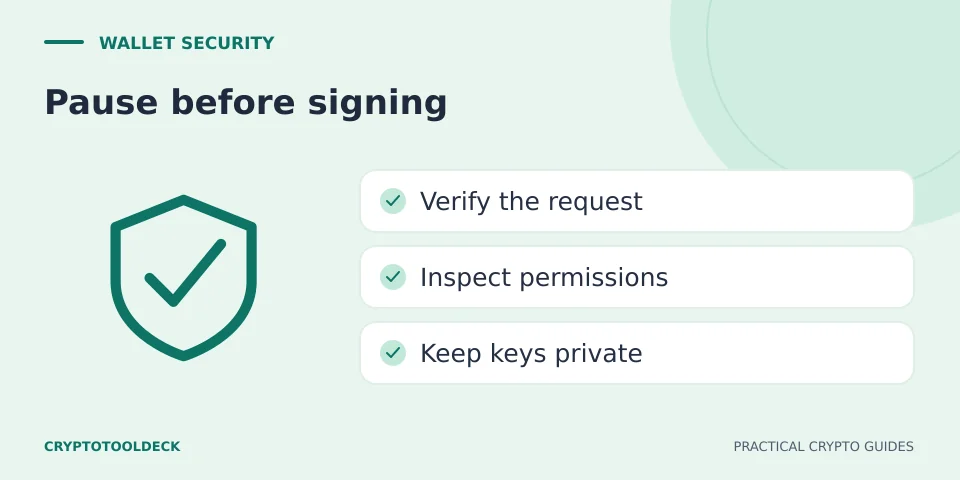
A polished signal, a busy group and a profit screenshot do not verify an investment opportunity. Before depositing or signing anything, separate three questions: is the arithmetic coherent, is the performance claim supported, and is the destination trustworthy? A calculator answers only part of the first question.
This checklist applies to claims shared through Telegram and WhatsApp; it does not label every group a scam. The FTC describes investment fraud involving social contacts, apparent profits and pressure to add money in its investment-scam guidance. Attractive formatting and familiar messaging apps do not remove that risk.
What a screenshot leaves out
A winning position screenshot might show only one selected trade. It does not establish when the entry was published, whether a subscriber could obtain the fill, how much was risked, whether other trades lost or whether the result includes fees. Those are missing evidence questions, even when the image itself is genuine.
For example, nine trades winning 10 USD each and one losing 150 USD produce a 90% win rate but a 60 USD loss before costs. This is an invented arithmetic example. It shows why a claimed win percentage alone cannot establish profitability; it is not a claim about a named provider.
- Check timing: was the complete setup available before the move, including entry, invalidation and targets? A message edited after the event does not by itself prove what readers originally saw.
- Ask what counts as a win: first target touched, a full exit, or a closed net profit? Different definitions create different records.
- Look for the full sequence: winners alone omit losses, cancelled ideas and unresolved positions. No screenshot can supply records that were left out.
- Separate evidence from popularity: follower counts, testimonials and a professional logo do not prove execution history or authority.
Stop when the conversation becomes a payment demand
The FTC warns about guaranteed returns, impersonation and demands to send cryptocurrency in its crypto-scam guidance. Be especially cautious when an unsolicited contact moves you from discussing a trade to depositing into an unfamiliar site or sending funds to a person’s wallet.
A useful pause point is any request for another payment to release an apparent balance. Do not treat a dashboard number as verified custody of assets. Ask what independently verifiable service holds the funds, then navigate to its official resources yourself. A link supplied by the same promoter is not independent verification. An initial small withdrawal also does not establish that a larger deposit is safe.
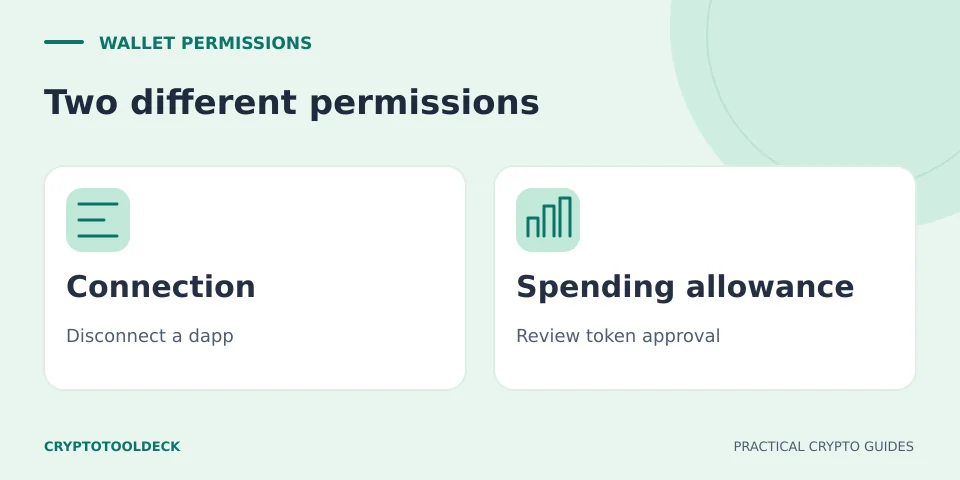
Requests for a recovery phrase or private key are not needed to format a trade, read a public transaction or calculate profit. Nor does a signal review require granting a token allowance. If a site asks for a wallet signature, understand the exact request before considering it; our wallet connection and approvals guide explains why disconnecting alone does not remove every permission.
Preserve evidence; avoid a second recovery pitch
If you suspect fraud, stop additional payments and keep the conversation, usernames, group links, destination addresses, transaction hashes, amounts and dates. Contact any involved exchange through its official support route. The FBI’s guidance for crypto-scam victims identifies transaction and communication records that can help an investigation; a report does not guarantee recovery.
Use your local police, relevant financial regulator or official fraud-reporting service. For readers in the United States, IC3 and the reporting route linked by the FTC are official examples. Reporting options and jurisdiction differ; do not assume a US report replaces a local one.
Be wary of anyone who contacts you promising to recover funds for an upfront fee. The FBI’s recovery-scam warning describes businesses falsely claiming recovery abilities. Do not give a purported investigator your seed phrase, install remote-access software at a stranger’s request or fund a new wallet to “activate” recovery.
A clean trade message is not a trust badge
The CryptoToolDeck Signal Formatter arranges inputs you provide. It does not verify a group, audit returns, endorse a platform or create profitable signals. A consistent risk/reward calculation can coexist with an unsafe deposit request; evaluate those questions separately.
Educational information, not a wallet audit, transaction validation or personalised financial advice. Service support and interfaces can change. Report an error with the page URL; never send recovery phrases or private keys.